
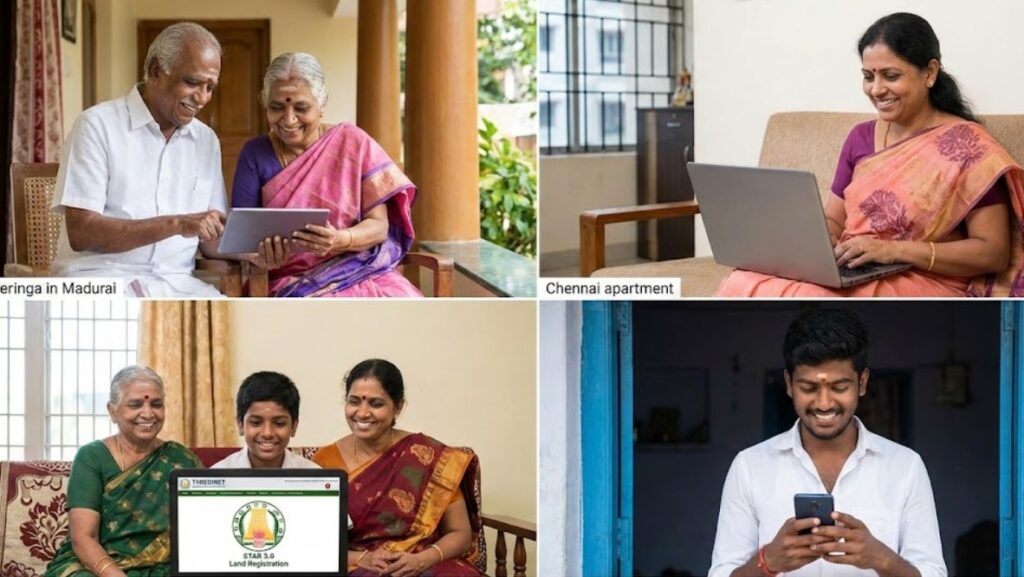
For decades, the word “Registrar Office” in Tamil Nadu conjured up images of yellowing files, long queues under spinning ceiling fans, and the nervous anticipation of a “document writer” getting every detail right. It was a place where physical presence was the only currency of trust. However, as of January 2026, that era is officially transitioning into the archives of history.
With the launch of STAR 3.0 (Simplified and Transparent Administration of Registration), the Tamil Nadu government has not just upgraded a software; it has rewritten the social contract between the citizen and the state. This initiative, spearheaded by Chief Minister M.K. Stalin, represents a quantum leap from the previous STAR 2.0 system, aiming to make property registration as seamless as ordering a meal or booking a cab.
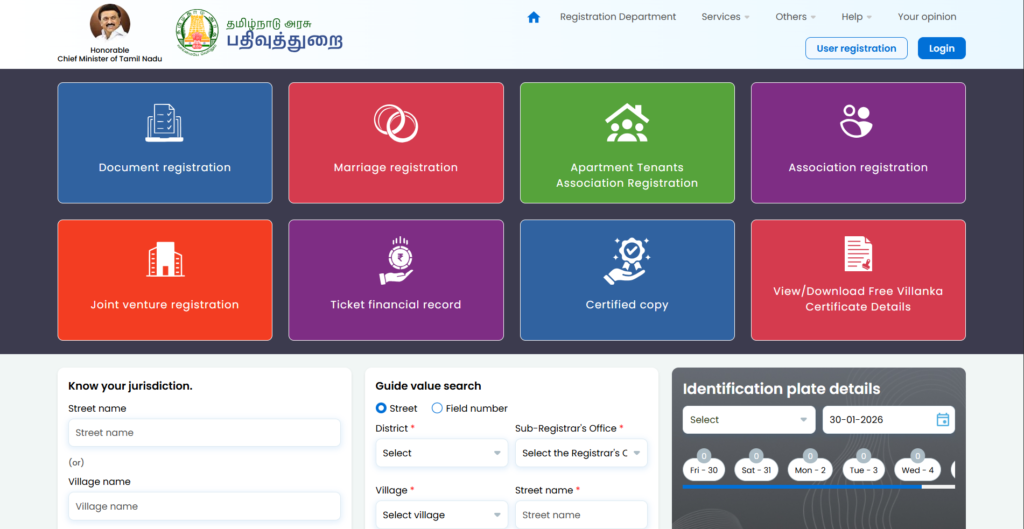
From Queues to Clicks: Why STAR 3.0 Matters
The journey toward digitalization began in 2000 with Project STAR. But while STAR 2.0 brought us online appointments and basic tracking, it still felt like a digital skin over a manual skeleton. You still had to carry a bundle of papers, wait for a Sub-Registrar’s visual verification, and hope the server didn’t “go down” during your auspicious time (Muhurtham).
STAR 3.0 changes the fundamental “human interface.” By introducing paperless and presence-less registration, the government is acknowledging a modern reality: in a world of Aadhaar and digital signatures, your physical body doesn’t always need to be in a specific room for a transaction to be valid.
The Pillars of the New System
To understand how this affects the average homebuyer or seller, we must look at the 18 technology-driven services that form the backbone of this upgrade.
1. The “Faceless” Experience
Perhaps the most revolutionary feature is the presence-less registration for 10 specific categories of deeds. This includes the first-time sale of newly built apartments and plots in approved layouts.
The Scenario: Imagine you’ve bought a flat in a new high-rise in OMR. Previously, you, the builder’s representative, and witnesses had to trek to the local office. Under STAR 3.0, you can complete the registration from your living room using Aadhaar-based OTP or biometric authentication.
2. DIY Deed Creation (Do-It-Yourself)
For years, “document writers” were the gatekeepers of the registration process. While many were helpful, the system often left citizens feeling dependent. STAR 3.0 introduces a guided digital process—a simple Q&A format that helps you draft your own deeds. It’s essentially a “TurboTax” for property registration, ensuring all mandatory legal clauses are included without the need for an intermediary.
3. QR-Code and UPI Payments
Gone are the days of carrying demand drafts or worrying about exact change for small fees. The integration of QR-code-based UPI payments (especially for transactions under ₹1,000) at Point-of-Sale (POS) terminals makes the process completely cashless. This not only speeds up the counter time but creates an unshakeable digital audit trail.
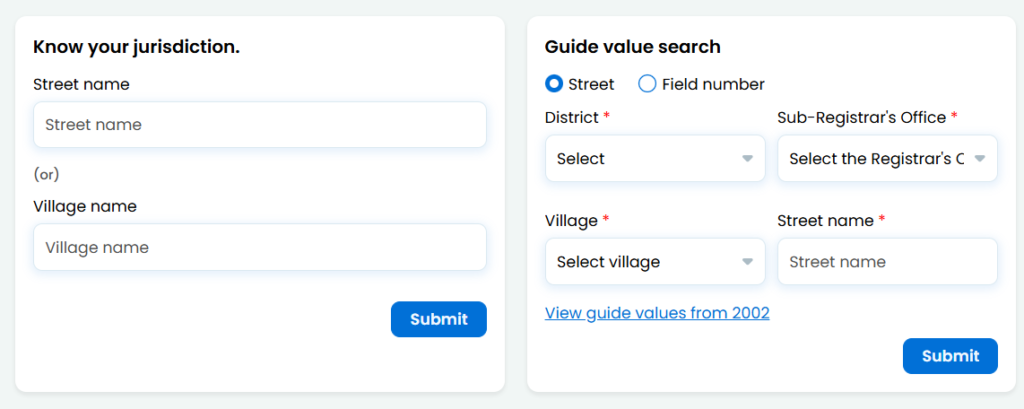
Solving the “Original Document” Headache
One of the biggest stressors in Indian real estate is the loss of original documents. STAR 3.0 addresses this with Server-Side Certification.
- Instant Certified Copies (CC): Instead of waiting three days for a certified copy of a document, you can now download a digitally signed version within minutes.
- The “Original” Status: A high-quality color print of the document you download from the TNREGINET portal within seven days of registration is now legally considered the “Original” deed. No more panicking about losing a single piece of physical paper that holds your life savings.
The Human Impact: Real-Life Scenarios
To truly appreciate STAR 3.0, we have to look past the code and at the people.
The NRI Perspective Consider an NRI living in San Francisco who wants to sell a plot in Coimbatore. Previously, this required a Power of Attorney (PoA), multiple courier trips, and visits to the Indian Consulate. With the new biometric and Aadhaar-linked verification, the NRI can participate in the registration process remotely, saving thousands in travel and weeks of administrative delay.
The Senior Citizen For an elderly couple selling their ancestral home, the “Sub-Registrar Office” was often a place of physical strain and anxiety. STAR 3.0’s Same-Day Document Return for resale apartments means they don’t have to wait for a “building inspection” if parking and lift details are already in the system. They walk in, finish the process, and their digital record is updated before they reach home.
Enhanced Transparency and Fraud Control
Beyond convenience, STAR 3.0 is a formidable tool against land grabbing and impersonation.
- Real-time Linkage: The system is increasingly linking registration records with ground reality—photos of the property, location coordinates, and the “Bhudhaar” (land ID) system. This ensures that the property being sold actually exists and is accurately described.
- Advanced Search: The new Name Search/Nominal Search allows users to trace transactions not just by survey number, but by the names of the parties involved—a feature long demanded by the public and recently mandated by the High Court.
Tips for Navigating STAR 3.0
While the system is designed to be user-friendly, a little preparation goes a long way:
- Aadhaar Update: Ensure your mobile number is linked to your Aadhaar card for OTP verification.
- Digital Payment Ready: Have your UPI or net banking credentials ready.
- The 7-Day Rule: Remember that once your document is approved, you have a seven-day window to download the official digital version from the TNREGINET portal.
- Use the App: The TNREGINET Mobile App and WhatsApp services now provide real-time updates on your application status and token availability.
Conclusion: A State in Sync with the Future
The implementation of STAR 3.0 is more than a technical patch; it is a cultural shift. It moves the Registration Department from a “control” mindset to a “service” mindset. By reducing human interface, the government is effectively reducing the scope for corruption and delays.
For the people of Tamil Nadu, this means that the dream of owning a home is no longer shadowed by the nightmare of a tedious registration process. Whether you are a first-time buyer in a bustling city or a farmer in a rural village, the power to secure your property is now, quite literally, in your hands.
As we move deeper into 2026, the success of STAR 3.0 will likely serve as a blueprint for other states in India. It proves that with the right political will and technological foresight, even the most traditional government departments can be transformed into beacons of efficiency.
For official services and the latest updates on STAR 3.0, visit the Tamil Nadu Registration Department’s portal at: Tamilnadu Registation Department
If you’re looking to update your other essential documents, check out our guide on how to get your Voter ID card for free directly from the government portal.
I need this scholarship
I need this scholarship